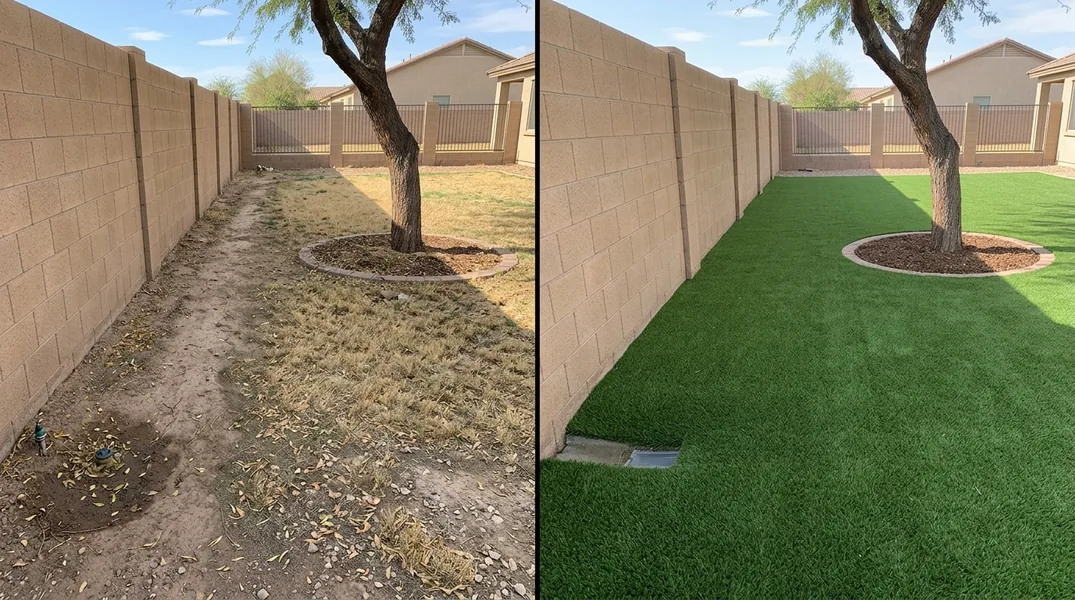
Understanding Turf vs Artificial Grass in Surprise's Desert Climate
When you're standing in your backyard in Surprise, looking at a patch of struggling lawn during the scorching summer months, the question inevitably arises: should you stick with natural grass or make the switch to artificial turf? This isn't a simple yes-or-no decision. Both options have genuine advantages and real drawbacks, especially when you factor in the unique demands of Arizona's desert landscape.
The choice between turf and artificial grass ultimately depends on your lifestyle, budget, and what you value most in your outdoor space. Some homeowners prioritize the authentic feel and environmental benefits of natural grass, while others appreciate the low-maintenance appeal and year-round green appearance of artificial alternatives. Residential Artificial Grass Installation has become increasingly popular in the valley, but that doesn't mean it's the right choice for everyone. Let's break down the honest truth about both options so you can make an informed decision for your home.
Natural Grass and Winter Dormancy: The Hidden Challenge in Surprise
One of the biggest surprises homeowners face when maintaining natural grass in Surprise is the winter dormancy cycle. Unlike regions with lush green lawns year-round, Arizona's cool-season grasses go dormant during winter months, typically turning brown from November through March. This means that for nearly a quarter of the year, your lawn will look dead even though it's actually just sleeping. If having a vibrant green yard in December and January matters to you, natural grass presents a significant aesthetic challenge.
To combat winter dormancy, many homeowners resort to overseeding their lawns with cool-season grasses in fall. This temporary solution keeps your yard looking green during cooler months, but it requires additional expense, labor, and maintenance. You'll need to water more frequently during the germination period, manage two different grass types simultaneously, and deal with the transition periods when one grass type is fading and another is establishing. The cost of overseeding, combined with extra water usage and professional services, can add up quickly. For homeowners who want a consistently green lawn without this seasonal hassle, this reality alone tips the scales toward artificial alternatives.
Desert Heat and Water Consumption: The Real Cost of Natural Grass
Natural grass in Arizona's desert environment demands substantial water resources. During summer months when temperatures regularly exceed 110 degrees Fahrenheit, your lawn requires frequent, deep watering to survive. A typical residential lawn in Surprise can consume 50,000 to 70,000 gallons of water annually, depending on grass type and irrigation efficiency. This translates directly into higher water bills and environmental impact, especially considering Arizona's ongoing water conservation challenges.
Beyond the water itself, maintaining natural grass in extreme desert heat requires consistent attention. Heat stress causes turf diseases, brown patches, and thin spots that demand fungicide treatments, aeration, and specialized care. You'll need professional maintenance during peak summer to keep your lawn healthy, which means regular service visits from landscapers. When you calculate the cumulative costs of water, fertilizers, pest control, disease management, and professional maintenance over several years, the financial burden becomes substantial. Many homeowners discover that their natural grass maintenance costs exceed $1,500 to $2,000 annually when all factors are considered.
Xeriscaping and Desert Landscaping: Why Artificial Turf Fits the Arizona Model
Xeriscaping, the practice of designing landscapes to reduce water consumption, has become increasingly popular in Arizona. Artificial turf aligns perfectly with xeriscaping principles because it eliminates the need for irrigation entirely. Once installed, your lawn requires no watering, no fertilizing, and no seasonal treatments. This philosophy of working with desert conditions rather than against them represents a fundamental shift in how homeowners approach landscaping in arid regions.
Artificial turf doesn't just conserve water; it also reduces your carbon footprint by eliminating the need for gas-powered lawn mowers, fertilizer production, and frequent landscaping visits. Modern artificial grass products are designed to withstand extreme heat, UV exposure, and the specific challenges of Arizona's environment. They drain properly to prevent water pooling, resist fading, and maintain their appearance year-round without the brown dormancy period that plagues natural lawns. For homeowners interested in Pet Turf & Dog Run Installation or creating water-efficient outdoor spaces, artificial grass offers a practical solution that aligns with contemporary desert landscaping best practices.
Maintenance Reality: Natural Grass vs Artificial Turf Installation Cost in Surprise
The maintenance difference between natural grass and artificial turf is perhaps the most underestimated factor in this decision. Natural grass demands weekly mowing during growing season, regular watering, seasonal overseeding, fertilizing, weed control, disease management, and professional aeration. You're looking at consistent time investment or ongoing service costs throughout the year. When you factor in equipment maintenance, replacement, and the learning curve for proper care techniques, many homeowners find themselves frustrated with the demands.
Artificial turf, by contrast, requires minimal maintenance. You'll occasionally brush the surface to keep fibers standing upright, rinse it with water to remove dust, and remove any debris. That's essentially it. No mowing, no watering bills, no seasonal treatments, no disease management. The pricing for Residential Artificial Grass Installation typically ranges from $8 to $15 per square foot installed, depending on site conditions and product quality. While this represents a higher upfront investment than seeding natural grass, the long-term maintenance savings often offset the installation cost within 5 to 7 years, especially in Surprise's harsh desert climate.
Making Your Decision: Which Option Is Right for Your Surprise Home
Choosing between natural grass and artificial turf ultimately comes down to your priorities and lifestyle. If you value the environmental impact of natural grass, enjoy lawn maintenance as a hobby, and don't mind the brown dormancy period in winter, natural grass remains a viable option. You'll need to commit to proper watering schedules, invest in professional care during summer stress periods, and accept higher water bills and maintenance costs as part of homeownership.
If you prefer a low-maintenance landscape, want year-round green appearance, value water conservation, and seek long-term cost savings, artificial turf makes compelling sense for your Surprise property. Modern artificial grass has come a long way from the plastic-looking products of decades past. Today's options look remarkably natural, feel authentic underfoot, and perform beautifully in desert conditions. Whether you're interested in Putting Green Installation, Pool Surround Turf, or standard residential installation, professional artificial grass offers flexibility for various applications around your home.
Ready to explore your options? Surprise Turf Installation specializes in helping homeowners make this important decision. Call us at (623) 432-8284 or visit our website to request a free estimate for your specific situation. Our team understands the unique demands of desert landscaping and can help you determine whether artificial turf makes sense for your home, budget, and lifestyle goals.
Looking for a professional artificial grass installation company in Surprise? Surprise Turf Installation responds fast for all your artificial grass installation needs.
Get a Free Quote