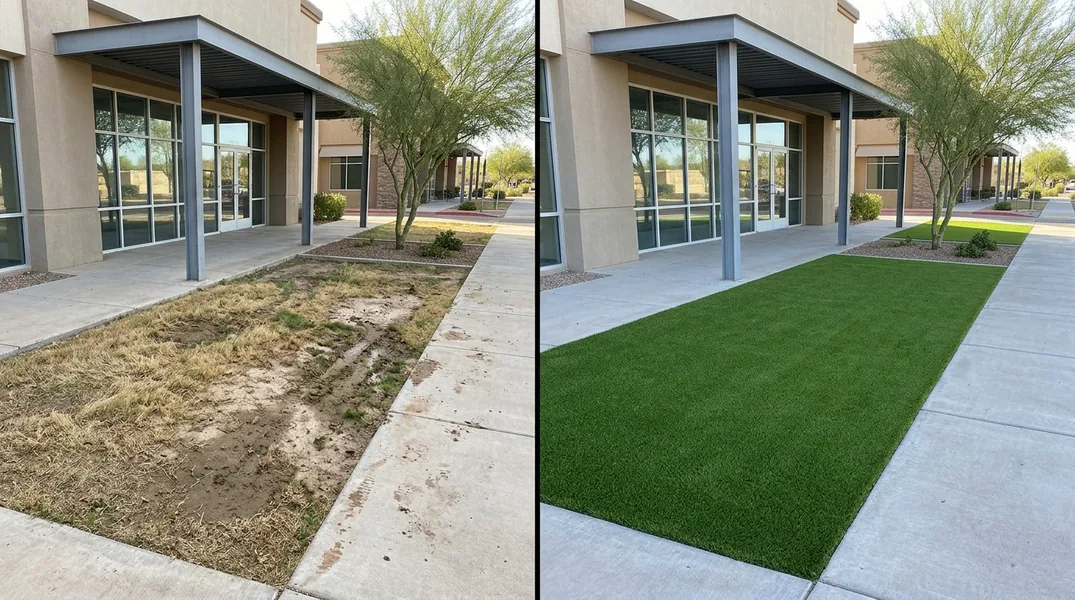
The Reality of Artificial Turf Temperature in Surprise Summers
If you're considering Residential Artificial Grass Installation in Surprise, you've probably heard the concern: does artificial grass get too hot? It's a legitimate question for Arizona homeowners, especially during our intense summer months when temperatures regularly exceed 110 degrees Fahrenheit. The short answer is yes, artificial turf can become noticeably warmer than natural grass, but modern solutions make this manageable and far from a deal-breaker.
Artificial grass heats up because synthetic fibers absorb and retain solar radiation differently than living grass blades. Natural grass stays cooler partly because it transpires water and has active biological processes. However, the temperature difference between artificial and natural grass isn't as dramatic as some fear, and with the right installation choices, you can significantly reduce surface heat. Understanding how artificial turf behaves in Surprise's climate is the first step toward making an informed decision for your home.
How Hot Does Artificial Grass Actually Get in Arizona?
Research and real-world testing show that artificial turf temperature in direct sunlight can reach 130 to 160 degrees Fahrenheit on a hot Arizona day, compared to 50 to 80 degrees for natural grass in the same conditions. That's a significant difference, but context matters. Most homeowners don't spend extended time barefoot on their lawn during peak afternoon heat, and modern artificial grass products are engineered to be more heat-resistant than older generations. Additionally, the temperature stabilizes quickly once the sun moves lower in the sky, and shaded areas remain considerably cooler throughout the day.
The actual feel and usability of your turf depends on several factors beyond just the material itself. Time of day, shade from trees or structures, the specific product chosen, and the infill system all play major roles in how hot your artificial grass becomes. A turf installed in morning shade will feel dramatically different from one exposed to full afternoon sun. This is why many homeowners find that with thoughtful landscaping and the right product selection, artificial grass remains perfectly usable and enjoyable during Surprise summers, even when temperatures spike.
Cooling Infill Solutions: The Game Changer for Arizona Turf
One of the most effective ways to address artificial turf heat is through specialized cooling infill products. Traditional infill materials like silica sand and rubber granules absorb heat readily, which contributes to higher surface temperatures. Cooling infill alternatives, however, are specifically engineered to reflect solar radiation and dissipate heat more efficiently. These products include cork infill, zeolite-based materials, and proprietary cooling compounds that can reduce turf temperature by 15 to 30 degrees Fahrenheit compared to standard infill options.
Cork infill, derived from recycled cork bark, is naturally insulating and reflects heat rather than absorbing it. Zeolite is a porous mineral that has excellent thermal properties and also helps with drainage and odor control, making it popular for Pet Turf & Dog Run Installation projects. Some manufacturers now offer hybrid infill systems that combine cooling materials with traditional components to balance performance, durability, and cost. When you're planning your installation, discussing cooling infill options with your installer ensures you select the best solution for your specific needs and budget. This is a crucial conversation to have during the planning phase, as infill choice significantly impacts both comfort and long-term satisfaction with your turf.
Strategic Shade and Landscaping to Reduce Turf Temperature
Beyond product selection, the smartest way to manage artificial grass heat is through strategic landscape design. Shade from mature trees, pergolas, shade sails, or structures can reduce turf temperature by 20 to 40 degrees Fahrenheit simply by blocking direct sunlight during peak hours. If you have existing trees on your property, positioning your artificial grass installation beneath or near them is an excellent natural cooling strategy. For new installations without established shade, planning for shade structures or planting fast-growing trees can pay dividends over time.
Hardscape elements like pavers, decks, or mulched planting beds can also break up large expanses of turf and provide visual relief while reducing the overall heat absorption of your outdoor space. Many homeowners find that a combination approach, using artificial grass in strategic areas while maintaining some shade coverage, creates the most comfortable and functional yard. When you're ready to discuss your specific property layout and shade opportunities, Surprise Turf Installation can help you design an installation that maximizes comfort. Call us at (623) 432-8284 to discuss how shade and landscaping can optimize your turf project.
Comparing Artificial Grass to Natural Grass in Surprise Heat
While artificial grass does get hotter than natural grass in direct sun, it's important to consider the full picture when comparing the two options. Natural grass in Arizona's harsh climate requires constant watering, fertilizing, and maintenance to survive the intense heat and dry conditions. During peak summer, many Surprise homeowners find that natural grass simply cannot thrive without significant water investment and ongoing care. Artificial grass, despite its heat characteristics, eliminates the need for daily watering and reduces overall maintenance dramatically. For many families, the trade-off is worthwhile, especially when combined with cooling infill and shade strategies.
Another consideration is usability. While artificial turf may be warmer to bare feet during peak afternoon hours, it remains green, soft, and functional year-round. Natural grass often goes dormant or brown during Arizona summers, requiring overseeding or accepting an unattractive lawn for months. Additionally, artificial grass performs exceptionally well for specific applications like Pool Surround Turf, where durability, drainage, and consistent appearance are priorities. When you weigh water savings, maintenance reduction, and year-round aesthetics against occasional warmth on barefoot contact, many Surprise homeowners conclude that artificial grass is the superior choice for their lifestyle and climate.
Residential Artificial Grass Installation Cost in Surprise: Planning Your Budget
When considering artificial grass installation, many homeowners wonder whether cooling features and premium products significantly impact pricing. The truth is that while cooling infill and high-performance turf materials do add cost, the difference is often modest relative to the overall project investment. A quality cooling infill system might add 10 to 20 percent to your infill costs, but this is typically a small portion of your total installation budget. The long-term savings from reduced water bills, eliminated fertilizer and pesticide costs, and minimal maintenance often offset the initial premium within a few years.
The best approach is to get a detailed free estimate from Surprise Turf Installation that breaks down material costs, infill options, and labor. This allows you to see exactly what you're paying for and make informed decisions about which features matter most for your property and budget. We can show you how cooling infill compares to standard options and help you understand the value each choice brings to your installation. Every yard and every homeowner's priorities are different, so transparent pricing and honest consultation are essential to finding the right solution for your needs.
Looking for a professional artificial grass installation company in Surprise? Surprise Turf Installation responds fast for all your artificial grass installation needs.
Get a Free Quote